 ®
®
Origin · 5 minute read
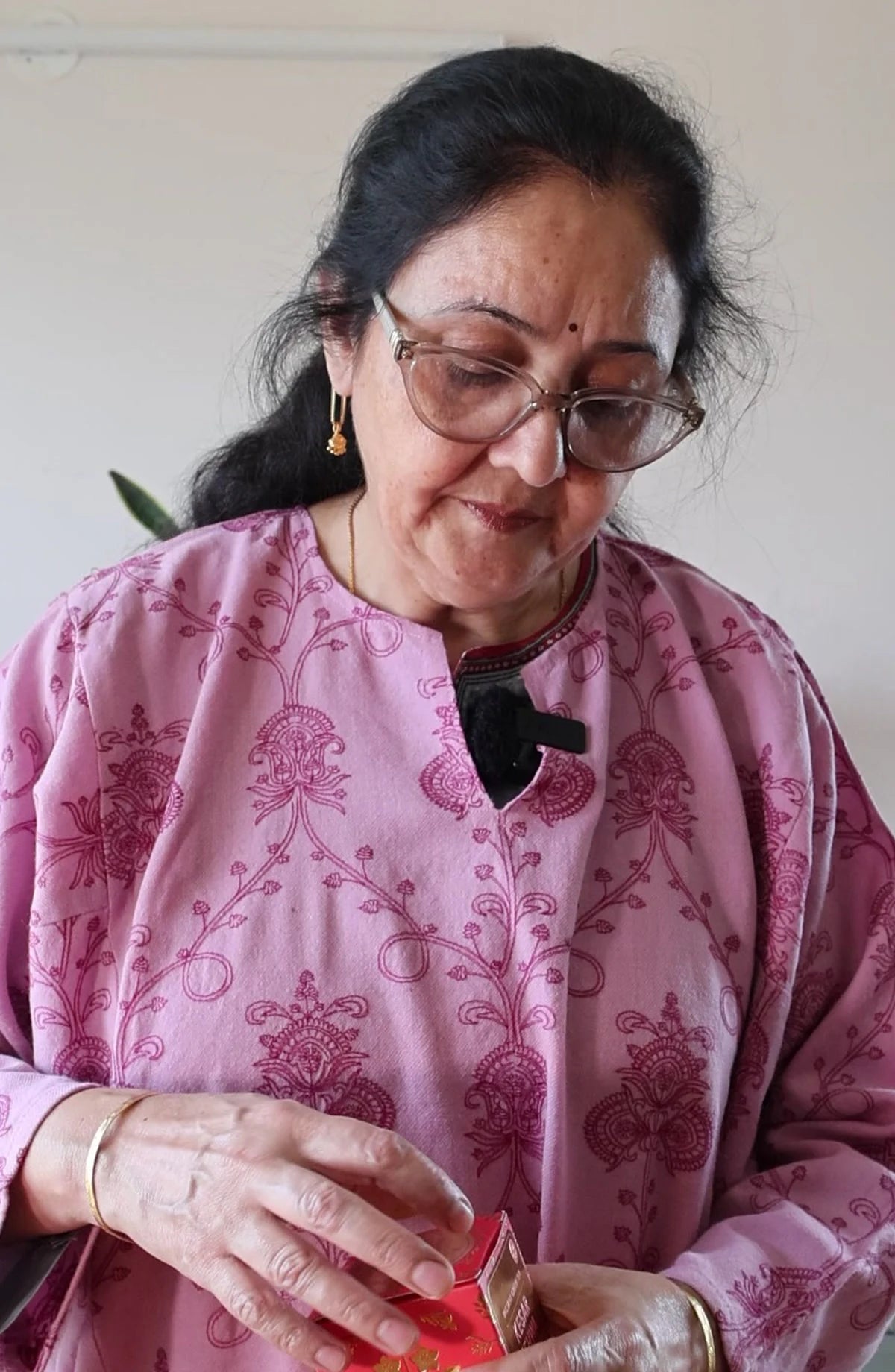
The cup before the company
How a mother's practical no-sugar cup for her sons became Kehwah's first product.
Read the story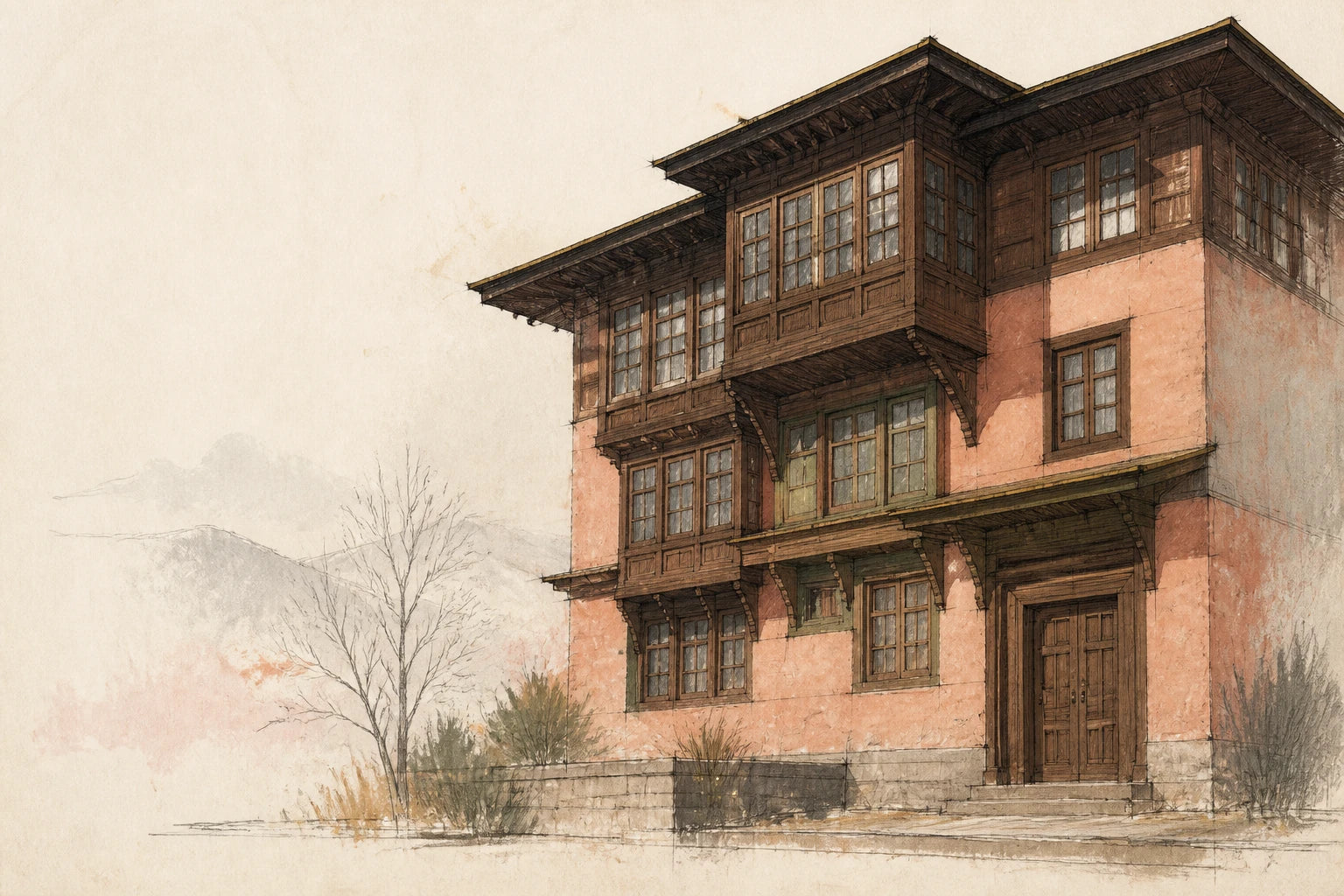
Stories from our house
Meet our family, see how we developed the blends, and get to know the ingredients in your cup.
Origin · 5 minute read
How a mother's practical no-sugar cup for her sons became Kehwah's first product.
Read the storyFamily · 6 minute read
The homes, migration, language, food, and everyday hospitality that kept Kashmir close inside one Kashmiri family.
Read the storyFrom our tasting table
Sachet shares how he and Ma developed the range.

Ma and I began by mixing ingredients and tasting. We paid attention to the fragrance before the first sip, the feel of the tea on the tongue and the flavour that stayed afterwards.
The immediate family tasted the first versions. We then shared them with a wider circle of around 25–30 people, asking what worked, what did not and what they would change.
Time of day mattered, too. We thought about the cup someone might want in the morning, with company or later in the evening. Those questions helped us shape the blends you see today.
Find a blend for your day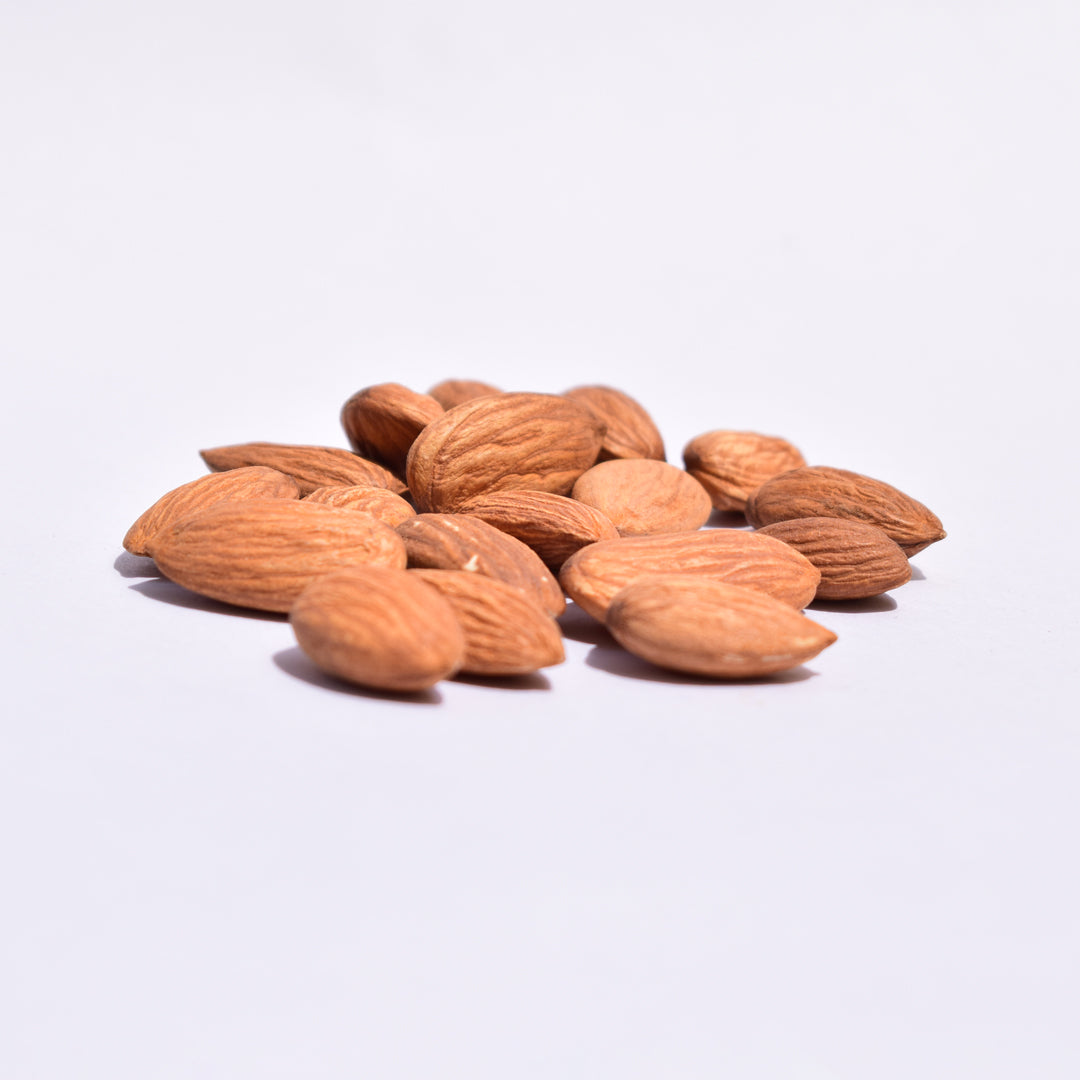
Know your ingredients
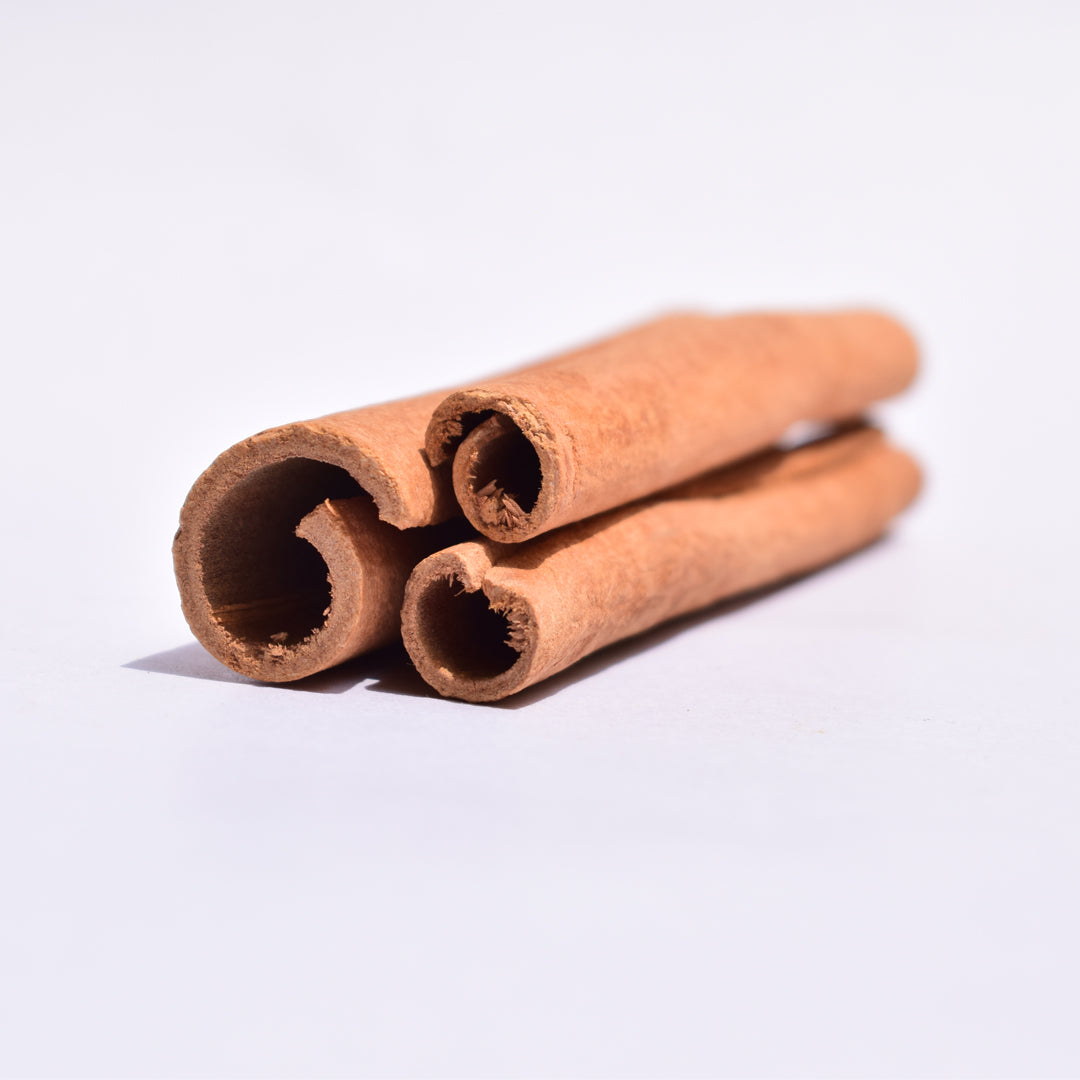
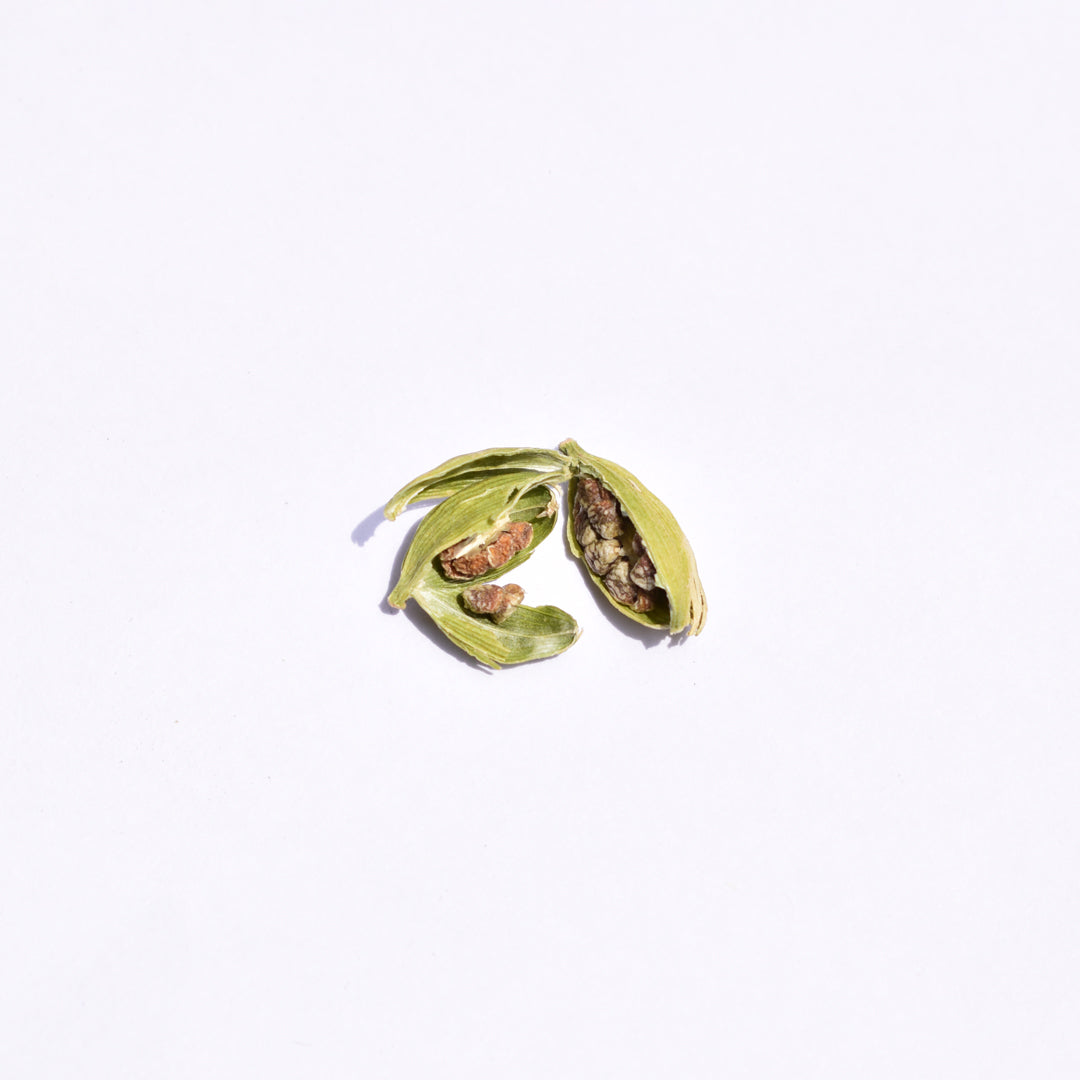
Kashmiri Kehwah brings green tea together with saffron, cardamom, cinnamon and almond. Rose Kehwah adds rose to that family of flavours. Kesar Kehwah keeps the saffron and spices, with no tea leaf.
Cardamom brings a bright fragrance; cinnamon adds warmth, while almond softens the finish. The green-tea base gives Kashmiri and Rose a different character from Kesar.
Start with the brewing time on the pack, then taste. Comparing the three is a useful way to discover whether you prefer a green-tea base, more rose or a tea-leaf-free cup.
Compare the three Kashmiri blendsThe living house
Meet the family behind Kehwah, or find the water measure and brewing time for your next cup.